
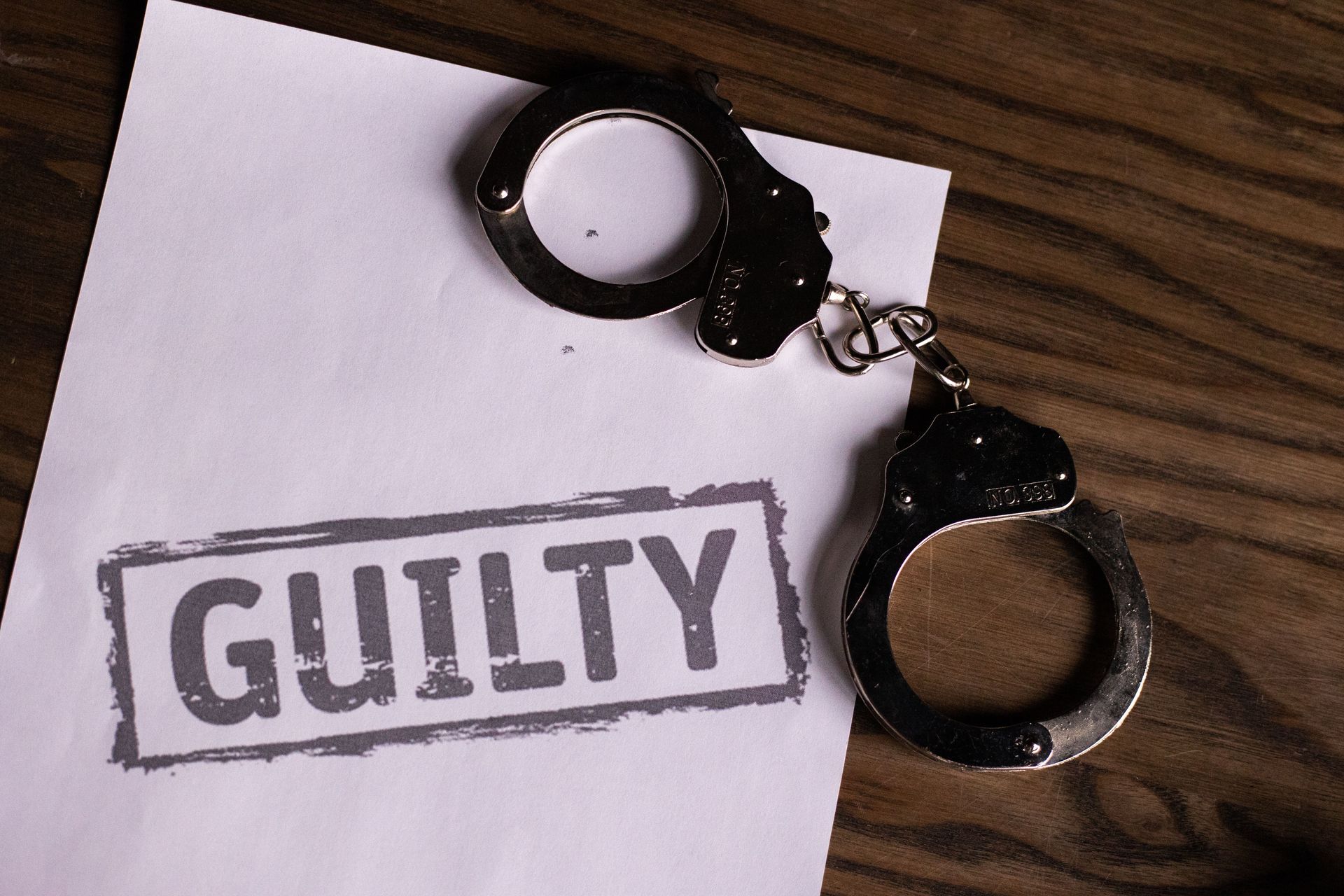
Bottom-Line-Up-Front: We gather factual information about the accident to build legal claims and protect legal rights. The Long Answer: If you haven't already, start with Part 1 ! Welcome back again, to recap, we are discussing the theoretical scenario where my little sister Katherine was hit by a drunk driver in Salem, Oregon and I am walking my way through what I would do to help her navigate the legal aspects of this issue. We left off with what I would consider the mid-point of this issue wherein both a criminal case is pending and Katherine is letting the dust settle on her injuries. In my mind this is where the dust begins to settle in these types of situations and they really should be organized from the vantage point of each particular case. Let’s begin with the criminal case because it will likely move faster than the civil case. 9. The Criminal Case Decision Making is a Democracy In Oregon under the Oregon Revised Statutes (“ORS”) we use a system of public prosecutors and the guidelines are generally set out in ORS chapter 8 . By way of example ORS 8.660 states in pertinent part that:
Injured in a Corvallis crash? Learn the Oregon-specific criteria that matter most — from PIP coordination to Benton County court experience — before you hire.
Bottom-Line-Up-Front: We gather factual information about the accident to build legal claims and protect legal rights. The Long Answer: Many times, as an attorney I am asked “Is it legal?” and the difficulty with answering that question is that because there is so much missing essential information, I am unable to answer beyond “It depends”. So the real answer to this question is it depends on what step in the process the person reaches out to a personal injury attorney. Stated another way, what I actually do changes depending on what has already been done and what remains to be done. Thus, in order to get the right information out there, I am going to use a hypothetical scenario where my little sister “Katherine” calls me as soon as a DUII crash happens. To set the scene; just after 5 pm on a Friday I get a call from Katherine who tells me that she was just rear-ended by a drunk driver near Salem, Oregon. 1. Safety First First, I would make sure she is physically ok and in a safe place. Just because something bad has happened doesn’t mean it cannot get worse and ensuring physical safety (like getting out of the road; stopping any bleeding) is secure is the priority. Next, I would want to know if the police have been called. If not I would call emergency dispatch (911) and let them know that there is an injury crash at the location provided by Katherine and that the driver of the other vehicle appears drunk. I would do that via a 3-way call so that both me and Katherine could talk with dispatch. Notably, I would be aware that because 911 calls are recorded in Oregon, that whatever we said to the 911 operator would likely be evidence in a future court hearing. 2. Document the Crash Next, once I was sure that physical safety was secure and that police were on the way I would advise Katherine to start taking pictures or video if she was physically able. I would be looking for pictures of the scene, the vehicles, as well as any physical injuries. Next, I would begin the process of capturing as much contact information as I could. Certainly, we would need the information of the drunk driver, but additionally we would be looking for the contact information of any other witness to the crash or its aftermath including passengers in Katherine’s vehicle or other people standing or driving by. Further, we would want to be sure to get the name, badge number and agency of any police officer on scene as well as any paramedics or other ambulance or fire personnel. Additionally, I would want the contact information and company name of the tow truck driver of any vehicle that was towed from the scene. Further, I would make note of any potential video cameras that may have captured the event to include: (1) personal dash camera, (2) built in cameras like Tesla has, (3) surveillance footage from local residents or local businesses (I have had decent luck over the years getting surveillance footage from OLCC (Oregon Liquor and Cannabis Commission) licensed outlets). I would not necessarily go and get that footage before getting Katherine and others on the scene necessary medical care; but I would be keenly focused on what potential camera footage is available so that it can be tracked down quickly. For example, if we know that there is a bar nearby that might have a camera pointed at the location of the incident then I can go and get the information in a few hours (or possibly the next day); but getting necessary medical care needs to happen much faster than that. Next, I would want Katherine to get to the ER (by ambulance if it is necessary, but if not by ambulance at least get there somehow if it is medically warranted). 3. File Claims Once all of these things are done I would begin to take a breath and start to be more focused on deliberate processing and less focused on reacting to the situation that thrust itself upon Katherine. That requires beginning to make contact with all the relevant parties. For example, we would need to open a claim with first party auto insurance (Katherine’s auto insurance carrier). Then we would need to open a claim with third party auto insurance (the at fault driver’s insurance carrier) as well as any other insurance carrier we are made aware of. 4. Leverage the Criminal Case Next, assuming a criminal case is filed, we would need to get copies of any citations that were issued and in particular we would want to know the date and time of the first court appearance and to make contact with the prosecuting attorney. We would send a discovery request under ORS 135.857 so that we could get from the prosecuting attorney all information made available to the drunk driver via the criminal discovery process. I would then work with Katherine to determine if she wanted to make a statement at arraignment (the first court appearance for the at fault driver in the criminal case) and if so, if she wanted to deliver that herself or if she wanted me or the prosecuting attorney to deliver that statement. 5. Look for Potential Dram Shop Parties Very quickly in this time period, I would be looking for all potentially liable Dram Shop parties. So, I would be looking for any bar that might have served the drunk driver while they were visibly intoxicated. Under ORS 471.565 we would need to at least get notice of the claim out to potentially liable OLCC outlets such that they have the chance to gather and preserve any evidence they may have about what happened inside the OLCC outlet prior to the person driving away and crashing. More to Come! Because this blog is on the long end I will call this part one and continue this in the future in what will likely become a few more parts. Continue to Part 2! Need an Attorney? If you or someone you know was in a crash in Oregon caused by an intoxicated or otherwise negligent driver, call 541-HUNKING to schedule a free consultation with one of our attorneys. We are here to help.
Bottom-Line-Up-Front: Because if we don’t care about our community, no one else will. The Long Answer: 1. Does Community Involvement Matter at all? Stated another way, this questions whether or not what we do has any impact at all on our communities. I think the answer to this question is clear that obviously we do. Sometimes it feels like we try hard to make the community better, and larger forces seem to make the community worse despite our efforts. But I am always reminded of Margaret Mead’s quote: “Never doubt that a small group of thoughtful, committed, citizens can change the world. Indeed, it is the only thing that ever has.” 2. How do we know that the involvement we intend to engage with will be a net positive to our community? Stated another way: “I know I am out here doing stuff (like giving $20 to a panhandler); but how do I know that the impact of what I do will actually be good (like the panhandler will not immediately use the $20 to buy beer, get drunk and punch someone)?” I struggle with this question daily and I think the struggle is the best we can do. We do not know the future and “The Good Place” TV show made a very compelling case because our modern society is so complicated and interconnected, there is no way for us to even know the true consequences of a choice. So, the best answer I have been able to come up with at this point in my life is to try and define what good is and to the best of my ability to evaluate every opportunity for community involvement to determine whether it is or is not good. I don’t have (and probably cannot get to) certainty in this realm because of the limits that we have as humans in modern society to determine the full consequences of our actions, especially when they only manifest themselves in the future. 3. If community involvement does matter, and we have identified a way to determine that our actions have a positive effect on our community, why should we care enough to actually do it? This is where I begin to really love this question and to truly enjoy the fact that I have the opportunity to work at Hunking Law. Modern business includes a healthy appreciation for “goodwill” that a brand has generated within the community. This is because people will buy products from companies they like before they will buy equal products from companies they do not like. Thus, I am blessed to be in a position where I get to spend time helping my community, and it also happens to be a justifiable use of business time. Additionally, because attorneys resolve conflict on behalf of humans, I spend a lot of time engaged with human conflict. As a result, it is a very welcome reprieve to go and repack diapers with the United Way of Lane County or help Corvallis Housing First as opposed to engaging with human conflict. Thus, I can additionally justify spending Hunking Law time on community involvement by the impacts it has on my employees (and selfishly, myself). Further still, my firm is filled with very competent people who would likely be very good at any task no matter what we decided to focus our attention on. I often say that we would be very good medical debt collectors if that is what we chose to do with the firm. But because we recognize that we can pick whatever mission we want (so long as it works within the bounds of capitalism) we get to choose how we spend our time and we chose the mission: “To export the greatest amount of justice, goodness and fairness as we can into the world.” Because I am blessed to work with good people who would choose to spend their time working on that mission, we get the pleasure of being able to spend our time helping people resolve car crash cases against insurance companies. I get to help an individual person each day deal with what is potentially the worst experience of their lives. And on top of that I get to go out into the community and make it better and safer and hopefully to make the future a little brighter. As a result, not only does community involvement matter, but I get the privilege of being able to spend my time and money on community involvement to try and make the Willamette Valley the best community it can possibly be. What is Hunking Law doing right now to support our community? Now through June 26th, we are collecting grooming and dental care essentials at our Corvallis office in preparation for Vina’s Back to School later this summer to ensure Benton County students have what they need to be confident and comfortable in the classroom. See this video if you’d like to learn more about how you can help!

Learn how car accident attorneys get paid through a contingent fee structure. Contact Hunking Law for expert legal help.
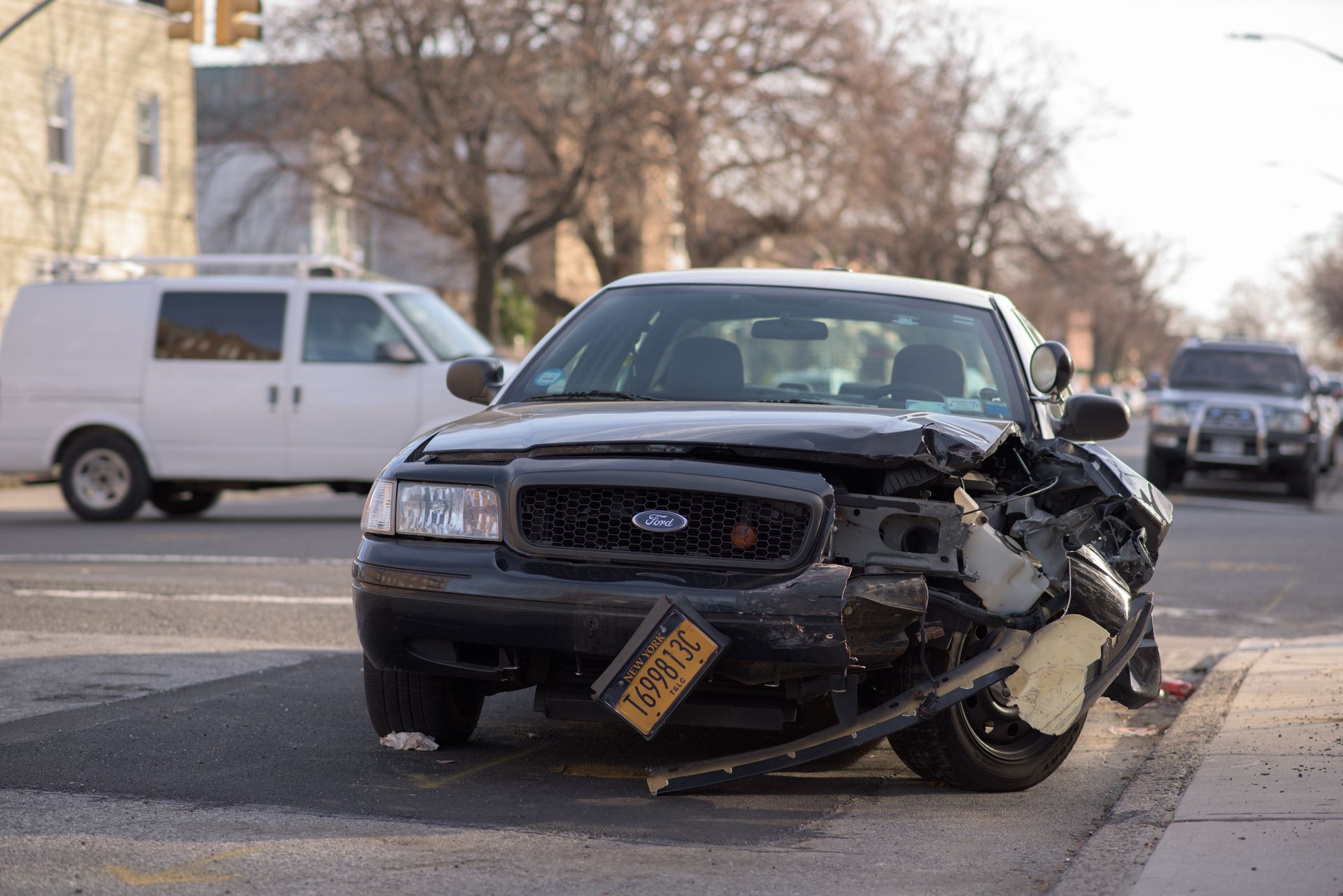
Learn key Oregon car accident laws that affect your claims. Contact Hunking Law for expert personal injury legal assistance.
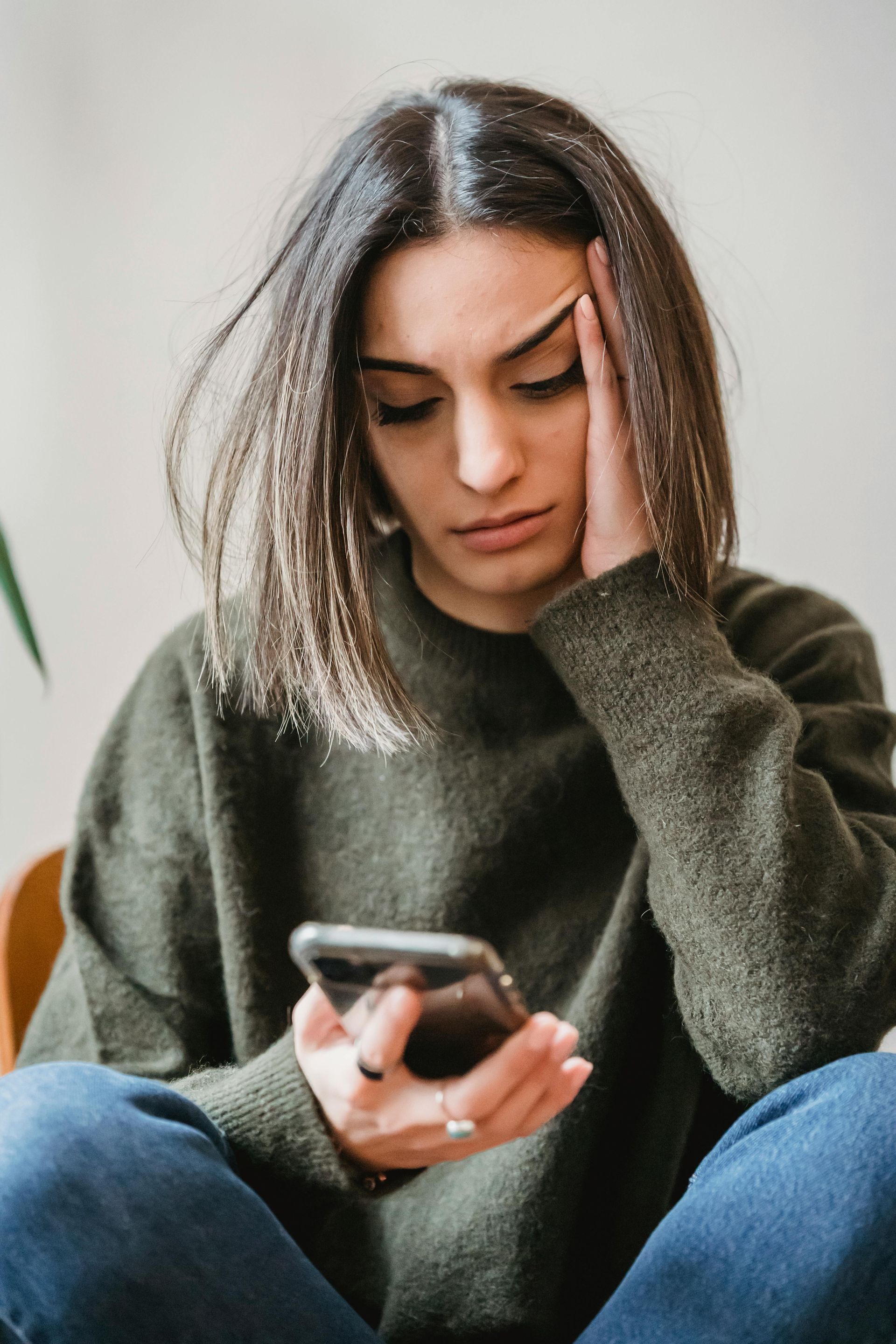
Prepare for your attorney consultation after an accident. Gather key info on medical bills & insurance claims. Contact Hunking Law today!
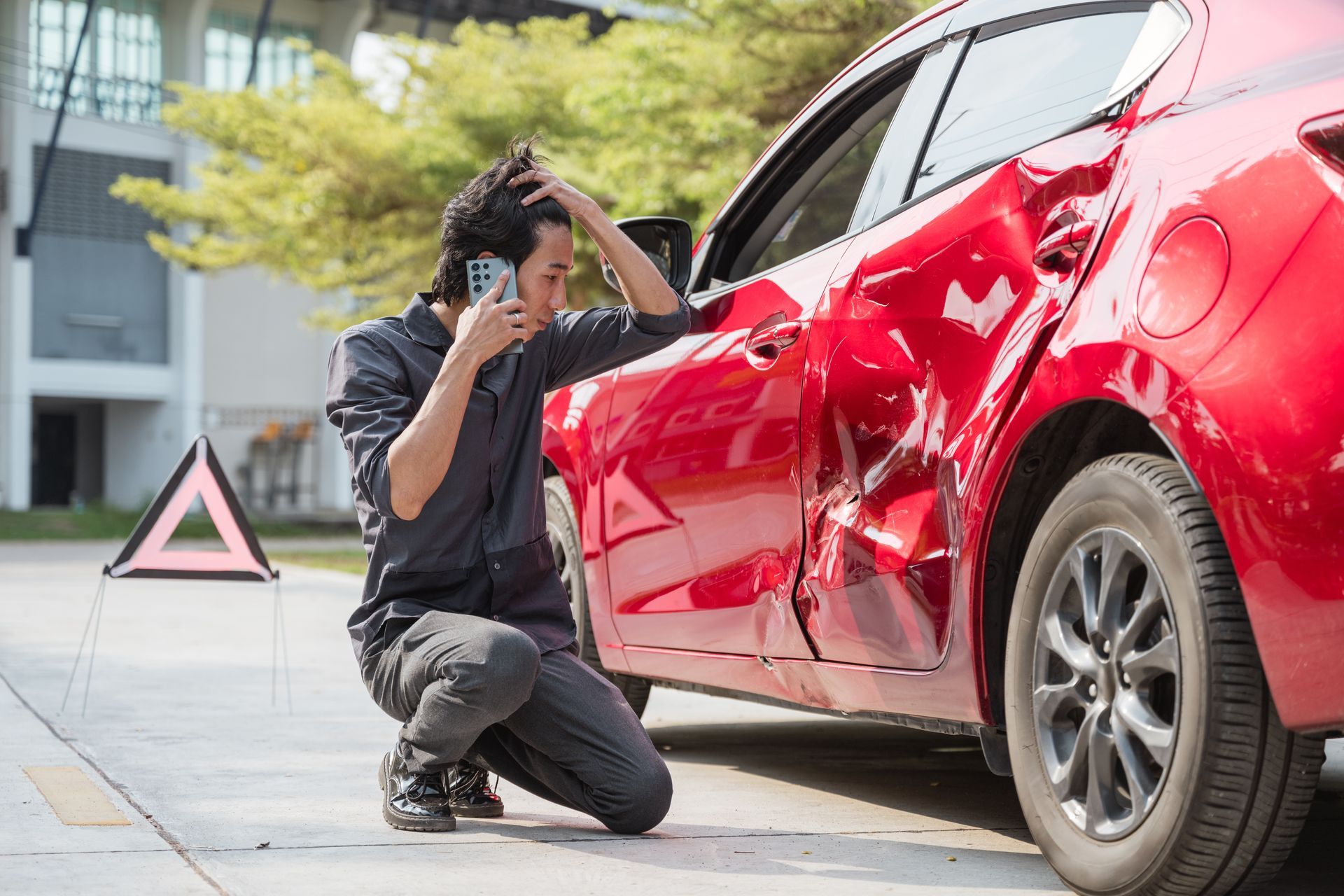
The Oregon DMV (Department of Motor Vehicles) makes a lot of their information and requirements public. With a few exceptions, they try to make a lot of information accessible to the public.

Learn how motorcycle crashes differ from car crashes. Contact Hunking Law for expert legal help with your injury claim.
Learn how the PNW Atmospheric River affects car crash liability. Contact Hunking Law for expert legal guidance on your case.